Google has officially announced that Google Chrome is stopping updates for older Mac models running outdated versions of macOS, leaving many users at a crossroads for their security and browsing experience.
Tesla's chip game is reaching new heights as Elon Musk confirms the restart of their massive Dojo supercomputer project. This move signals a shift in how the company handles the massive amounts of data required for autonomous driving and artificial intelligence.
Asus will no longer add new mobile phone models as the company prepares a massive pivot toward AI products. This decision marks the end of the road for the Zenfone and ROG Phone lineups, signaling a major shift in the brand's long-term hardware strategy.
AMD’s Ryzen rollercoaster shows no signs of slowing down as new market figures reveal Intel struggling to keep pace in the server market. With AMD surging to record highs in both unit share and revenue, the competitive landscape for data centers has shifted dramatically in favor of the EPYC and Ryzen ecosystems.
North Korean hackers target Microsoft Visual Studio Code users in a sophisticated new campaign that turns a developer's favorite tool into a gateway for malware. By abusing legitimate features like task configurations and VS Code tunnels, these state-sponsored actors are successfully bypassing traditional security defenses to gain full remote control of developer machines.
Samsung is giving Bixby an AI brain transplant by partnering with Perplexity to transform the aging assistant into a high-performance search engine. This move signals a major shift in how Bixby will handle complex queries and real-time information on Galaxy devices.
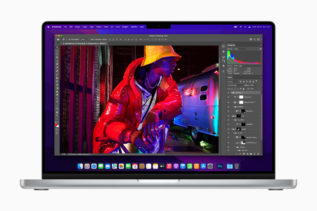
Photoshop on Linux has been a pipe dream for decades, but a dedicated developer has finally cracked the code to get Adobe's creative giant running on open source systems. This breakthrough via patched compatibility layers means the long standing barrier for digital artists is finally starting to crumble.
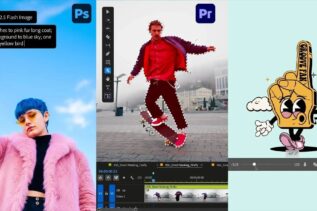
Adobe has rolled out new AI-powered features for Premiere Pro and After Effects that automate tedious editing tasks like object tracking and masking, promising to save video editors hours of manual work.