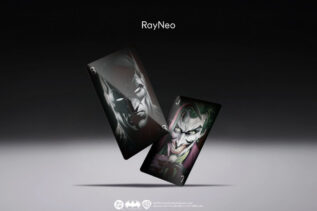
The RayNeo Air 4 Pro Batman Edition has officially landed at MWC 2026, offering a unique blend of high end augmented reality technology and iconic comic book style for fans who want a private cinema on their face.
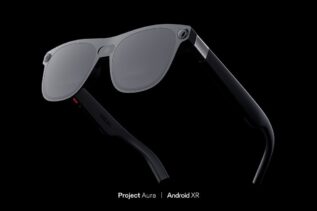
Google’s head of XR, Juston Payne, has shared the company's long-term strategy for the Android XR ecosystem. During an interview at "Android Day: XR Edition," Payne described the platform as the next major computing shift, focusing on integrating Gemini AI into various form factors ranging from mixed reality headsets to lightweight, everyday smart glasses.
Typical translation apps struggle with text in motion, mixed environments, and ambiguous visual context. The upgrade to Google Translate attacks these problems by combining live visual understanding, real-time speech capture, and contextual text processing. These changes matter because smart glasses cannot rely on precise camera framing or slow server round trips to work reliably in active use.
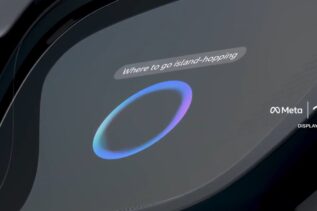
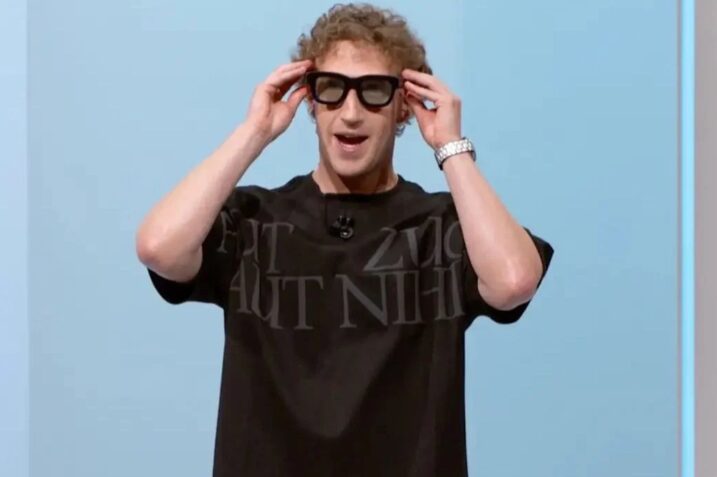
Meta’s new Celeste smart glasses, powered by AI and sporting a built-in display, signal big ambitions, albeit at a steep price. Here’s what makes them significant, and why they might be just the opening act in Meta’s evolving hardware play.