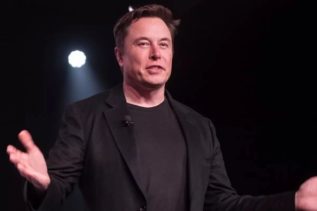
Tesla has announced that it will no longer offer the one-time purchase option for its Full Self-Driving software, moving instead to a monthly subscription model starting February 14, 2026.
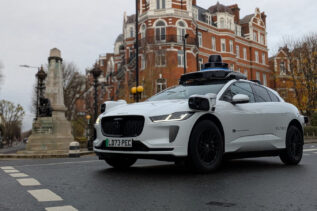
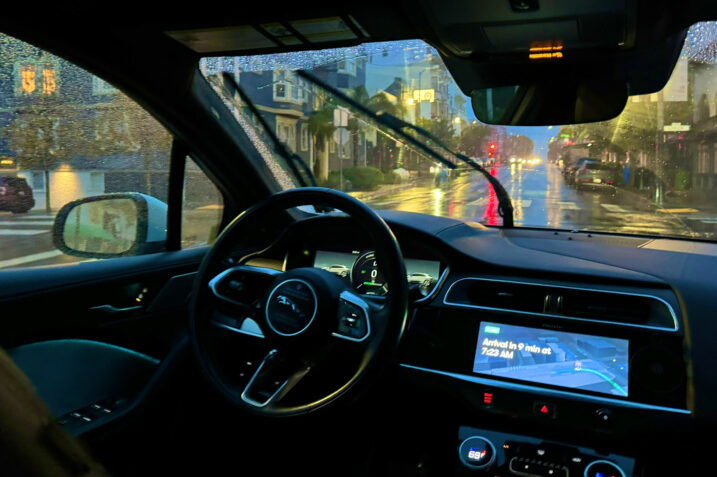
Robotaxis exist to remove the cost and limitations of human drivers, but every attempt to scale them runs into physical, regulatory, and computational constraints. Recent expansion plans from Tesla, Waymo, and Zoox expose how autonomous ride services are shaped less by ambition and more by safety validation, infrastructure limits, and system reliability under real world conditions.
BMW has become the first automaker to achieve approval under the groundbreaking UN Regulation No. 171 for Driver Control Assistance Systems (DCAS). This milestone eliminates fragmented European legal barriers and sets the stage for rapid global deployment of advanced "hands-off" driving technology over the next few years.
Lucid Group revealed on October 28, 2025, its plan to integrate Nvidia's Drive Thor platform into its electric vehicles, targeting Level 4 autonomous capabilities that allow hands-free, eyes-off driving without driver intervention in most conditions. The collaboration aims to introduce this technology in consumer models by 2027, building on Lucid's existing Level 2+ advanced driver assistance systems.