OpenAI plans to launch an "adult mode" for ChatGPT in early 2026, using an AI-based age prediction system to allow more mature conversations while keeping younger users safe.
Nine leading AI models faced off in a fully autonomous Texas hold ’em tournament. OpenAI’s o3 finished with the highest profit, outperforming rivals from Google, Meta, Anthropic, and xAI in a test of decision-making under uncertainty.
OpenAI CEO Sam Altman has issued an internal code red alert, directing teams to pause work on ads, shopping features, health agents, and the Pulse personal assistant to focus entirely on making ChatGPT faster, more reliable, and capable of handling a wider range of questions. The move comes as Google’s Gemini 3 model gains ground on benchmarks and user metrics, three years after ChatGPT’s launch prompted Google’s own code red response.
A new beta build of the ChatGPT Android app includes references to ad features, suggesting that OpenAI is working on an advertising layer for its chatbot. The code strings appear soon after reports that the company is exploring ad formats that may use ChatGPT’s memory and past chats for targeting, despite earlier public comments from CEO Sam Altman that described ads as a last resort.
As ChatGPT marks its third anniversary, OpenAI has shared new usage data revealing how people actually use the world’s most popular AI tool. The findings show a strong preference for practical assistance over creative experimentation.
OpenAI has confirmed a data breach at analytics partner Mixpanel exposed limited developer information linked to its API platform, while stressing that ChatGPT users and core OpenAI systems were not affected.
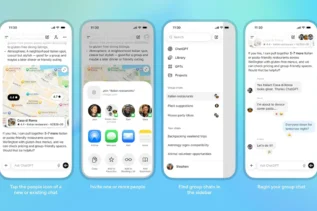
OpenAI has rolled out ChatGPT group chats worldwide, allowing up to twenty people to collaborate with the AI in a shared conversation while keeping personal data and memories separate.
Target is launching a new ChatGPT integration that lets shoppers search, build carts, and check out using their Target account directly within the chatbot, with support for shipping, pickup, and upcoming same-day delivery.