Instagram parent notification alerts are the latest safety feature from Meta, designed to inform guardians if teens repeatedly search for content related to self-harm or suicide. This update aims to bridge the gap between digital activity and real-world support by giving parents more visibility into potential mental health crises.
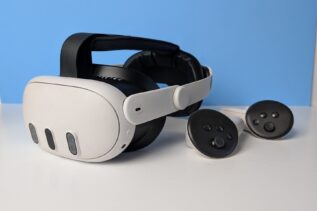
Meta CTO Andrew Bosworth addresses the major VR layoffs within Reality Labs, signaling a strategic pivot away from immersive headsets. This new direction for the metaverse focuses on mobile integration and AI wearables as the company recalibrates its long-term expectations for virtual reality.
Meta has deleted over 544,000 accounts belonging to under-16s in Australia following the implementation of the country's landmark social media ban. Despite this large-scale removal, Meta argues that the crackdown is failing its objectives and is calling for age verification to be handled at the app store level by Apple and Google instead.
WhatsApp has introduced three new features—member tags, event reminders, and text stickers—to improve organization and expression within group chats.
Meta has officially acquired the Singapore-based AI startup Manus for over $2 billion. This move marks a pivot for Mark Zuckerberg, as the company shifts focus from simple chatbots to autonomous "agents" that can execute multi-step business tasks like market research and coding on their own.
Meta is now using a special tool that was first made for the Steam Deck gaming machine. This tool helps Meta’s large computers work faster. It makes sure that your messages and photos load quickly by picking the most important tasks to do first.
Apple’s longtime UI chief Alan Dye is leaving for Meta’s Reality Labs, becoming the latest high-profile departure in a year marked by executive churn across design, legal, and AI leadership. The moves raise fresh questions about Apple’s internal stability as it works to regain momentum in artificial intelligence.
Internal memos from Meta reveal that the company has pushed back the launch of its upcoming mixed reality smart glasses, codenamed "Phoenix," from late 2026 to the first half of 2027. The delay is reportedly intended to give the development team more "breathing room" to refine the hardware and software experience of the ambitious wearable.