Microsoft AI chief Mustafa Suleyman has openly acknowledged that Google’s Gemini model outperforms Copilot in certain areas, marking a rare moment of candor in the competitive AI race.
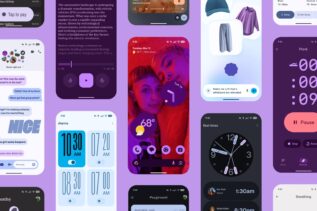
Google appears to be working on a motion cues feature for the next version of Android, mirroring an accessibility tool that has been available on iPhones for some time.
The US House Committee on Homeland Security has asked Google and Apple to explain how they are preventing apps that track ICE and CBP officers from appearing on their platforms, citing safety concerns for federal personnel and past links to violent incidents.
Meta is said to be negotiating a large-scale agreement to use Google’s custom AI chips, signaling a potential shift away from Nvidia-dominated infrastructure and a broader rethink of how hyperscalers build AI systems.
Google has outlined Project Suncatcher, a plan to deploy compact AI data centers in low Earth orbit. The system would rely on near-continuous solar exposure, high-bandwidth optical networking, and radiation-tolerant TPUs. Its success now depends on real-world testing, cost trends, and long-term reliability.
Waymo is set to expand its fully driverless robotaxi services to San Diego, Las Vegas, and Detroit next year. The company is accelerating its autonomous rollout, but regulatory approvals and public sentiment will shape how fast these services actually hit the streets.
Google has begun rolling out a major Fitbit app update that integrates Gemini AI, offering personalized coaching on fitness, sleep, and wellbeing. The update is currently in public preview for Premium users in the US on Android.
YouTube TV’s fallout with Disney exposed how unstable content licensing deals remain in the streaming sector, where even short disputes can disrupt service and test subscriber loyalty.