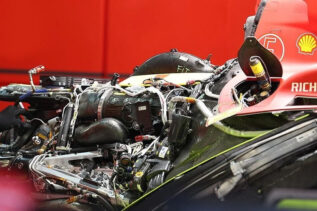
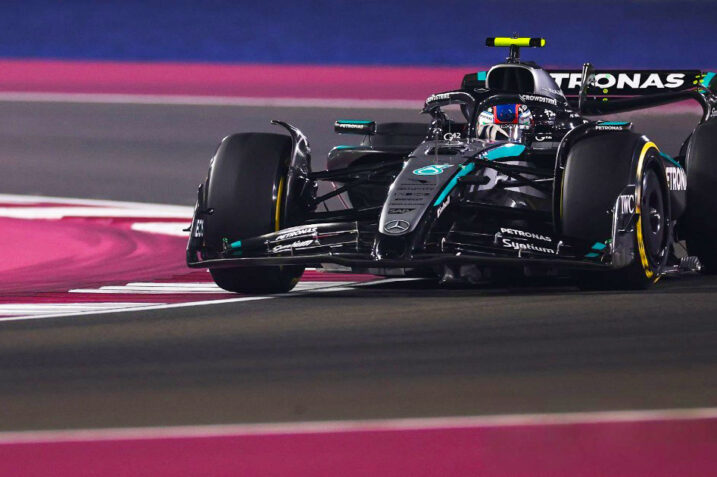
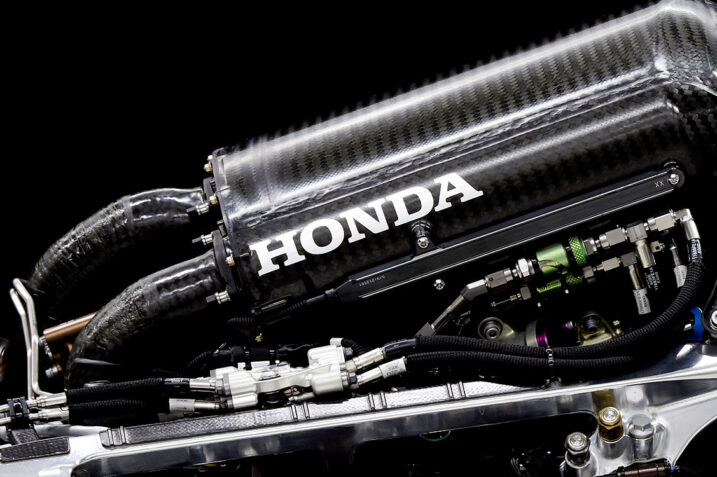
A major technical row is brewing behind the scenes as Ferrari and Mercedes debate the fine print of the F1 2027 engine regulations regarding compression ratios and performance limits.
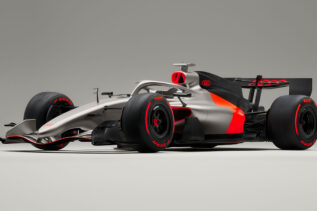
Formula 1 and the FIA have defined new terminology for the sport’s 2026 regulations. The updated language covers energy deployment, overtaking aids, aerodynamic systems, and energy recovery. Terms such as Boost Button, Overtake Mode, Recharge, and Active Aero will be used in official communication alongside changes to car design and power units.
Pirelli has identified deep structural cracks across multiple tyres at Losail, prompting stricter monitoring as gravel-related damage increases the risk of punctures during the sprint and main race.
Pirelli has finalised its 2026 F1 tyre range, confirming a five-compound slick line-up from C1 to C5. The C6 prototype has been removed after testing showed no meaningful performance gap over the C5. Final validation takes place in Abu Dhabi ahead of FIA homologation.
A technical fault on the FIA side caused Mercedes to be investigated for failing to submit mandatory setup documents. The team was cleared once officials confirmed the email had been sent on time.
FIA simulations show that 2026 F1 cars will be only one to two seconds slower than current machinery. Officials explain why the first year of new regulations is not designed for maximum speed.
After an unprecedented delay, the FIA’s 2024 Formula 1 cost cap review confirms all teams are compliant, with only Aston Martin cited for a minor procedural breach and no penalties imposed.
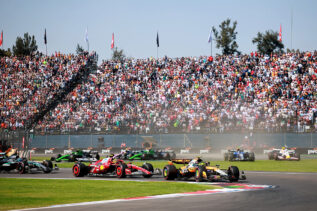
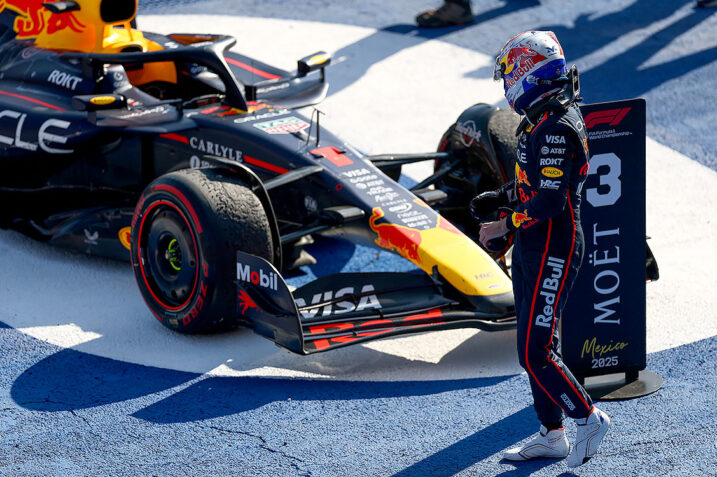
The FIA faced backlash after several drivers cut through Turns 1–3 on the opening lap of the 2025 Mexican Grand Prix without penalty. George Russell and Fernando Alonso led criticism of the stewards’ consistency, arguing that leniency in first-lap decisions risks undermining fair racing.