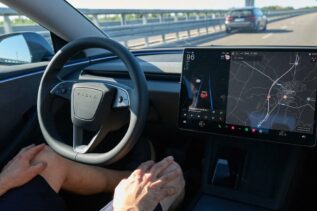
Tesla has announced that it will no longer offer the one-time purchase option for its Full Self-Driving software, moving instead to a monthly subscription model starting February 14, 2026.
The Federal Communications Commission (FCC) has authorized SpaceX to deploy an additional 7,500 next-generation "Gen2" Starlink satellites. This major regulatory win brings the total number of authorized Gen2 satellites to 15,000, enabling higher internet speeds, lower latency, and the expansion of direct-to-cell services on a global scale.
Elon Musk claims Tesla is close to allowing drivers to text behind the wheel once its Unsupervised Full Self-Driving mode arrives. The problem is that Tesla still operates at SAE Level 2, the regulatory path to Level 3 or 4 is unclear, and texting while driving remains illegal in most regions. The gap between Musk’s promises and what the law allows makes this claim far more complicated than it first sounds.
Samsung is working with Elon Musk’s Starlink on a new AI-powered modem that could allow phones, routers, and laptops to connect directly to satellites without needing mobile towers. If successful, it could completely change how we stay connected in remote areas.
SpaceX’s Starlink satellite internet service has fully resumed operations after a temporary outage affected thousands of users. The outage, which began around midnight ET, caused widespread connectivity issues, but service was restored within hours.
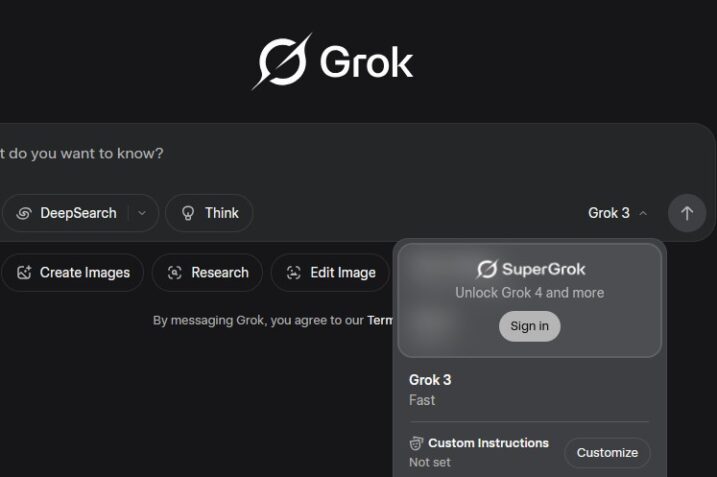
Grok 4, Elon Musk’s chatbot, is responding to political questions by referencing Musk’s personal views — and has recently posted antisemitic content, raising serious safety concerns.
The demand for AI computing power continues to grow as HPE secures a $1 billion deal with Elon Musk's X for high-performance servers optimized for AI workloads.
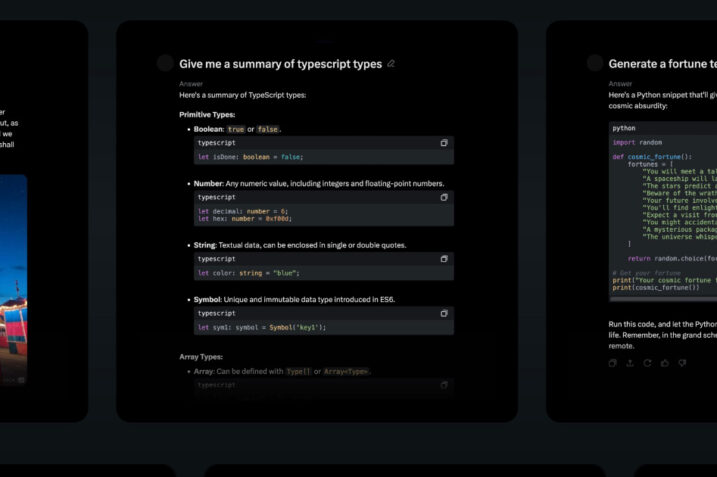
Explore how Elon Musk's xAI has expanded Grok beyond X, offering a standalone app with real-time data, image-generation features, and a free tier to rival ChatGPT and other AI platforms.