Mark Zuckerberg has announced a new top-level initiative called Meta Compute, aimed at building out "tens of gigawatts" of AI infrastructure this decade to ensure the company never runs out of processing power.
AMD has revealed its next-generation AI hardware roadmap, with the Instinct MI500 series set for 2027, potentially leaving a gap as Nvidia prepares its Vera-Rubin platform for 2026.
Meta is now using a special tool that was first made for the Steam Deck gaming machine. This tool helps Meta’s large computers work faster. It makes sure that your messages and photos load quickly by picking the most important tasks to do first.
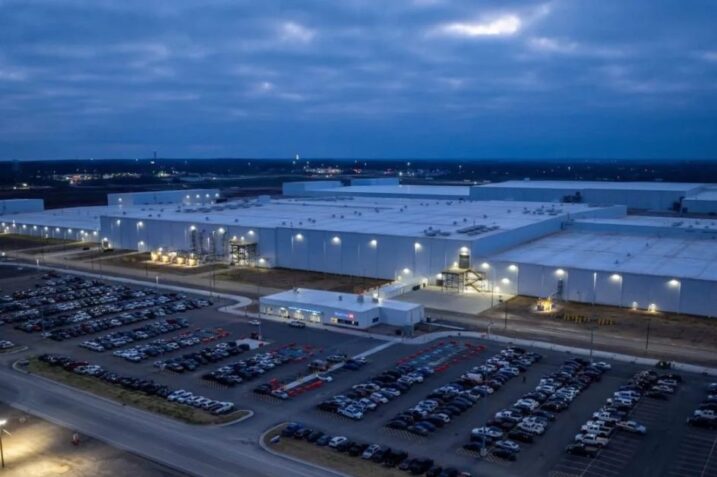
Ford is shifting its strategy by repurposing idle electric vehicle battery capacity to support the growing energy needs of AI data centers and the electrical grid.
Chinese chipmaker Cambricon Technologies plans to triple AI accelerator output in 2026 as Nvidia retreats from the Chinese market. Strong demand and state backing support the move, but low yields, fabrication limits, and competition with Huawei raise questions about how far the expansion can go.
Meta is said to be negotiating a large-scale agreement to use Google’s custom AI chips, signaling a potential shift away from Nvidia-dominated infrastructure and a broader rethink of how hyperscalers build AI systems.
Microsoft is moving past the traditional AI race and developing what it calls Humanist Superintelligence. The company claims its first medical diagnostic system has already surpassed human accuracy, but major questions remain about safety, oversight, energy demands, and whether such controlled superintelligence can ever be kept within strict boundaries.
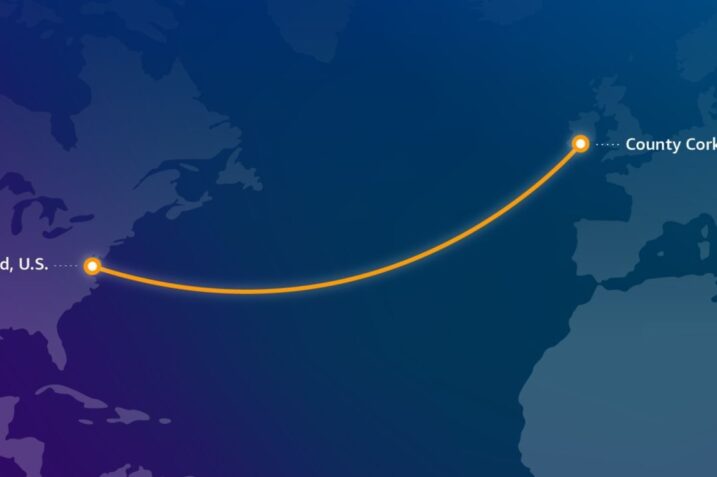
Amazon Web Services has unveiled Fastnet, a new subsea cable that will link Maryland with County Cork by 2028. The system will deliver more than 320 terabits per second of capacity and is designed to strengthen AWS’s resilience against physical disruptions to transatlantic infrastructure.