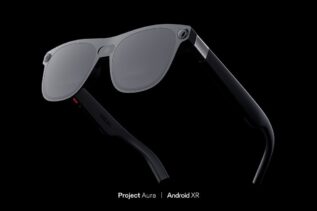
Google’s head of XR, Juston Payne, has shared the company's long-term strategy for the Android XR ecosystem. During an interview at "Android Day: XR Edition," Payne described the platform as the next major computing shift, focusing on integrating Gemini AI into various form factors ranging from mixed reality headsets to lightweight, everyday smart glasses.

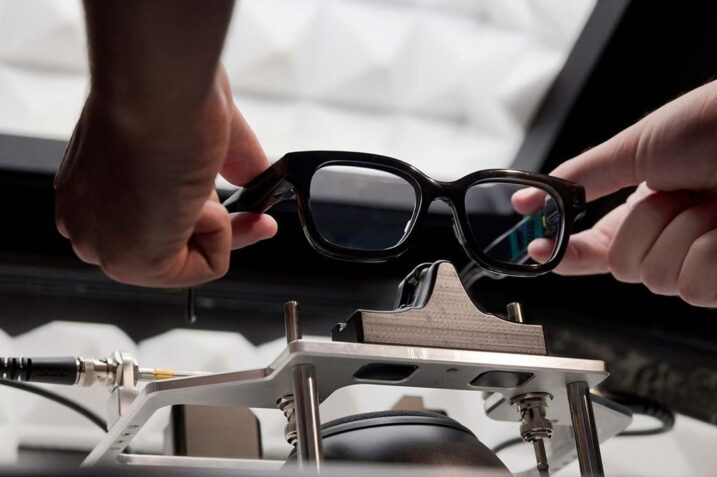
Internal memos from Meta reveal that the company has pushed back the launch of its upcoming mixed reality smart glasses, codenamed "Phoenix," from late 2026 to the first half of 2027. The delay is reportedly intended to give the development team more "breathing room" to refine the hardware and software experience of the ambitious wearable.
The PRIMA AI eye implant has restored reading ability for blind patients with geographic atrophy from dry AMD. Using augmented-reality glasses and AI, patients can once again see letters, numbers, and words, improving independence and quality of life.
Meta’s new Celeste smart glasses, powered by AI and sporting a built-in display, signal big ambitions, albeit at a steep price. Here’s what makes them significant, and why they might be just the opening act in Meta’s evolving hardware play.
Samsung is already deep in development on an Android XR (extended reality) headset with Google—Project Moohan—but it turns out that’s...
Infinite Reality (iR)TM, an innovation company driving the next generation of digital media and e-commerce through artificial intelligence (AI), spatial computing,...