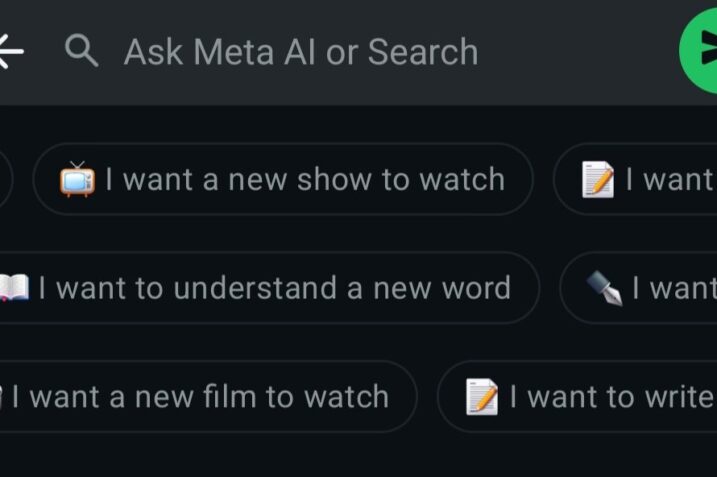
Meta has banned third-party AI chatbots from operating on WhatsApp to curb scams and misinformation, while introducing anti-fraud tools like scam alerts and digital literacy resources.
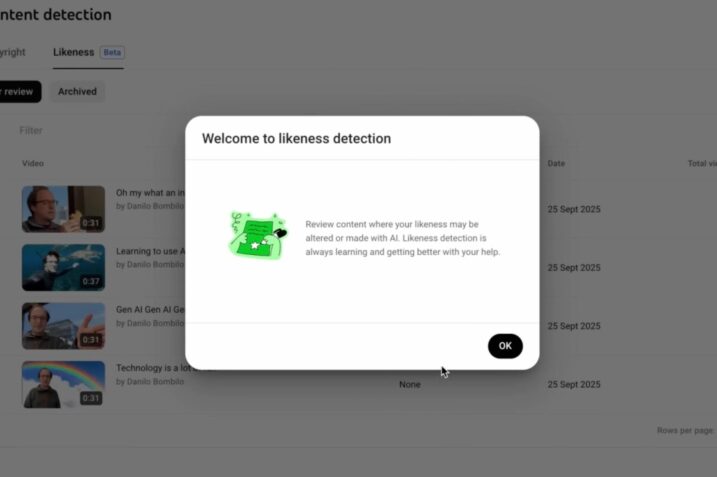
YouTube rolled out features for creators to spot and remove videos made with AI that mimic their voice or appearance without permission. The update targets deepfakes and helps protect the YouTube Partner Program from misuse of synthetic media.
OpenAI introduced ChatGPT Atlas, a groundbreaking AI browser that automates web tasks and generates custom content on the fly. Built on the ChatGPT model, it aims to simplify browsing by handling research, shopping, and navigation with natural language commands.
Samsung unveiled the Galaxy XR mixed-reality headset, developed with Google and Qualcomm, offering high-res displays and AI integration at half the cost of premium rivals. The device brings Android apps to immersive spaces, targeting everyday users with comfortable design and spatial computing features.
Red Bull’s Helmut Marko teases a “hidden ace” that could fuel Max Verstappen’s title comeback—suggesting further RB21 upgrades and bold strategy for the final races as McLaren falters.
At the US GP, missed sprint data forced McLaren to raise ride height by a few millimeters—costing 0.15s per lap and surrendering victory to Verstappen.
Google’s New York Chelsea office closed temporarily after a bedbug outbreak, with employees working from home until the building was declared pest-free—a rare “bug” for the tech giant.
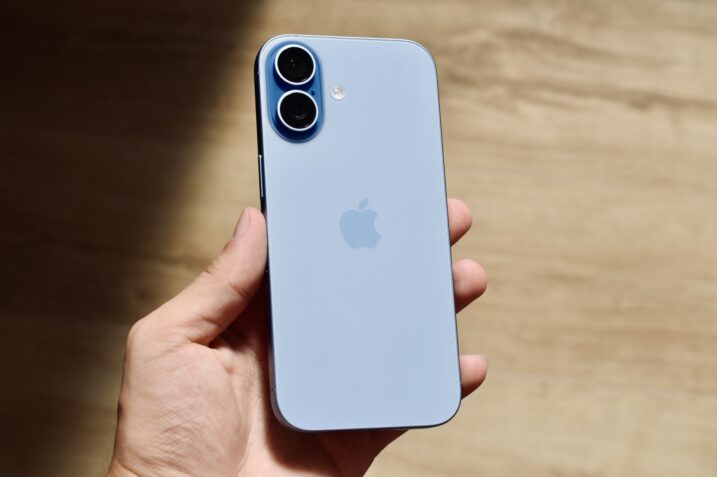
iOS 26.1 beta 4 finally lets iPhone users tint Liquid Glass for better readability and disable lock screen camera swipe—two of the most requested features this year.
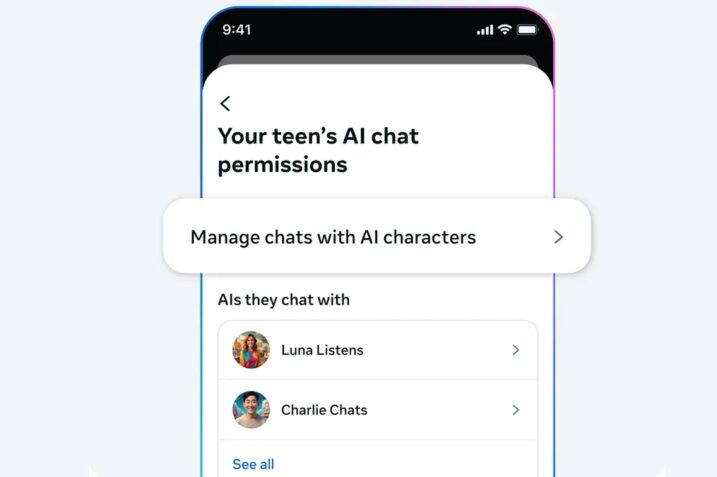
Meta will give parents control over their teens’ AI character chats on Instagram, allowing topic monitoring and a “kill switch” to block AI conversations—responding to safety concerns after inappropriate bot interactions.
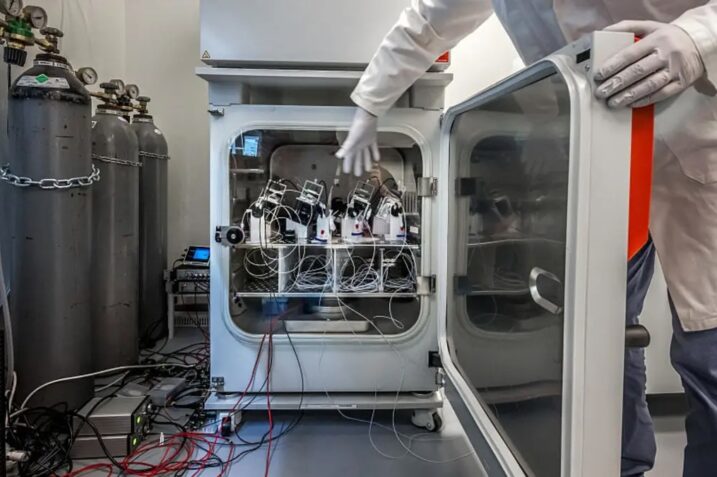
Swiss start-up FinalSpark is pioneering living computers using brain organoids — clusters of neurons grown from human cells — to perform tasks. These bioprocessors promise ultra-efficient computation and insights into neurological diseases, while ethical safeguards ensure consciousness is not possible.
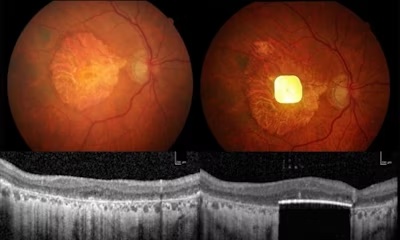
The PRIMA AI eye implant has restored reading ability for blind patients with geographic atrophy from dry AMD. Using augmented-reality glasses and AI, patients can once again see letters, numbers, and words, improving independence and quality of life.
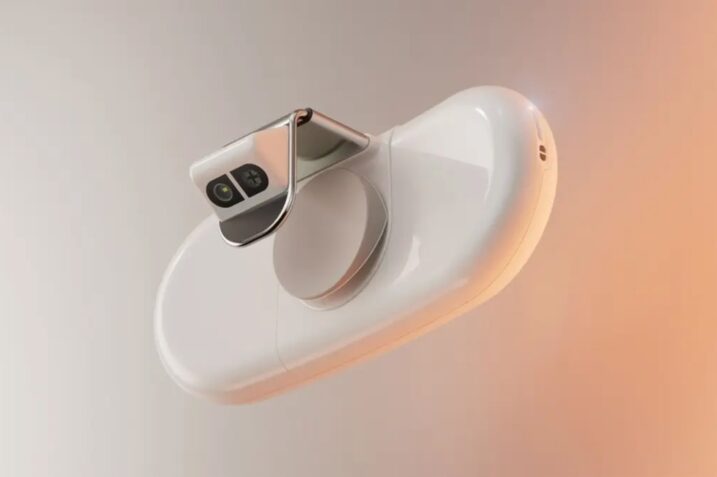
Kohler’s new AI toilet camera, Dekoda, scans waste to provide insights on hydration, gut health, and blood traces. Priced at $599, the device focuses on privacy with downward-facing sensors, encrypted data, and individual accounts, offering early-warning health insights via its companion app.