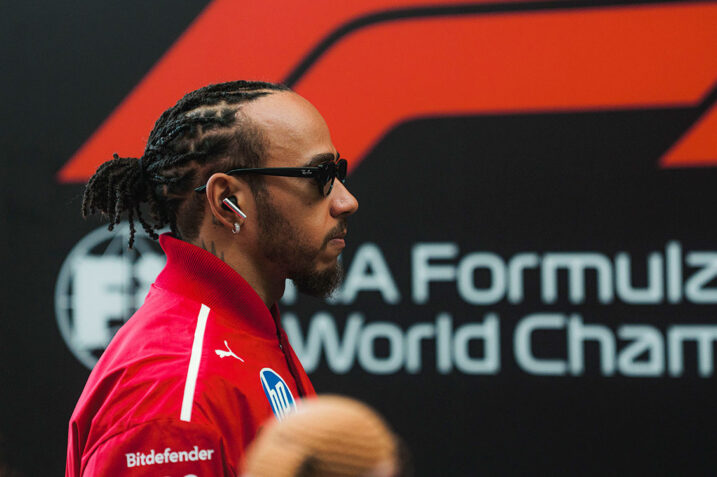
Lewis Hamilton missed Q3 for the second straight day in Sao Paulo, blaming tyre warm up issues and acknowledging he sees little chance of a turnaround in the race.
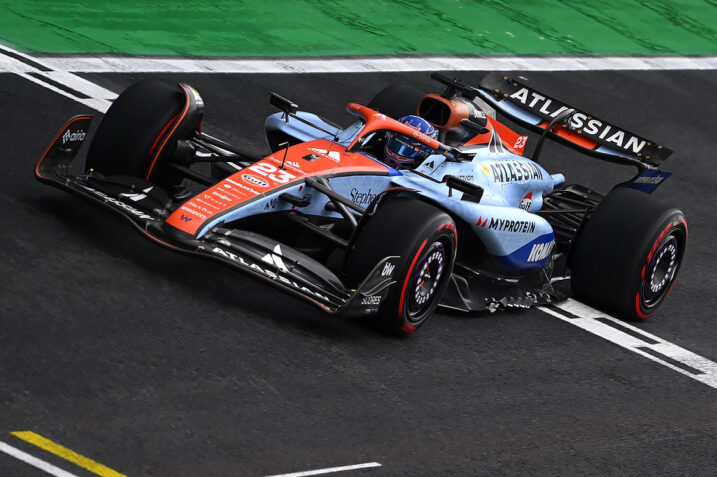
Alex Albon missed Q3 in Sao Paulo after Williams had to revert to an older floor due to damage from Gabriel Bortoleto’s sprint accident. The narrow margin raised questions about the lost performance.
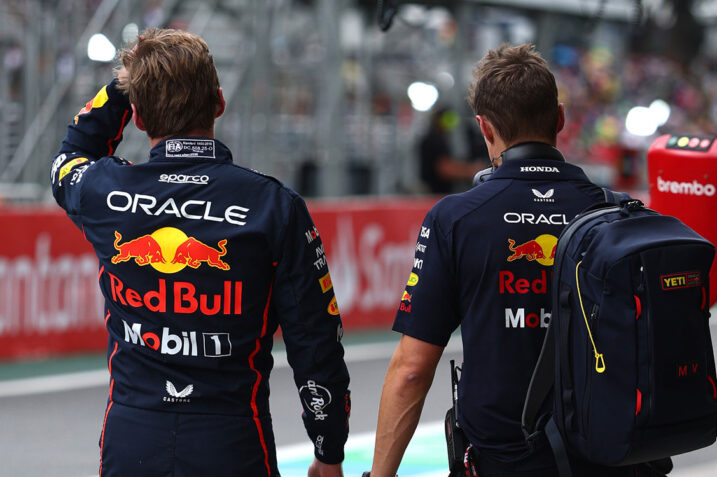
Max Verstappen and Yuki Tsunoda were both knocked out in Q1 at Interlagos, marking Red Bull’s first double elimination in nearly two decades and raising new pressure in the title fight.
A 1.5 kilometre stretch of the A10 near Paris is now delivering up to 300 kW of wireless charging to electric vehicles in real traffic conditions. Early results suggest dynamic charging could reduce battery size, vehicle weight, and operating costs, although nationwide deployment remains complex and expensive.
Huawei has reintroduced itself to the European SMB market with bundled AI enabled hardware and simplified deployment packages aimed at reducing the technical burden on smaller organisations. Its new eKit portfolio seeks to close capability gaps and streamline how SMEs adopt modern digital tools.
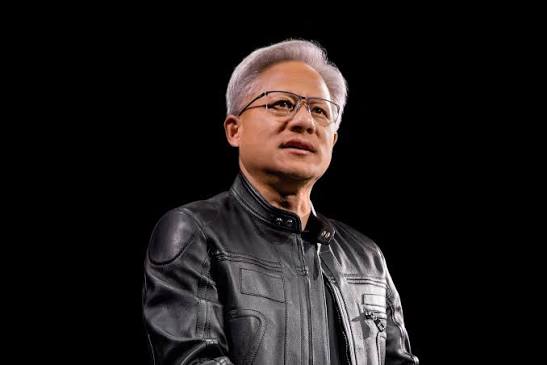
Nvidia CEO Jensen Huang believes China is only a fraction behind the United States in AI development and warns that restrictive chip policies risk pushing half of the world’s developers out of the American tech ecosystem. His comments raise tough questions about how the US plans to stay ahead in a race that is no longer one sided.
New data from Proofpoint shows that Gen AI tools and autonomous agents are creating a fresh category of insider risk. Companies now face growing exposure from unsupervised AI access, careless employees, and sensitive data flowing into public models. A shift toward behavioural analytics and unified security controls is becoming essential.
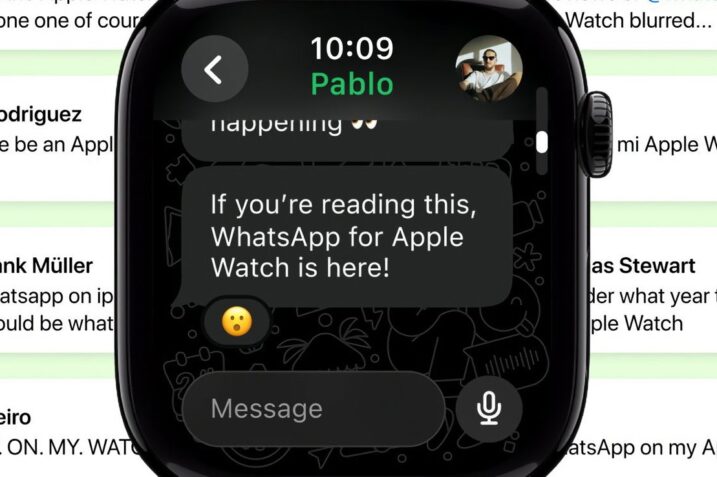
WhatsApp’s new Apple Watch app is crashing on older supported models, including the Apple Watch Series 4, Series 5, and first-generation SE. Meta has acknowledged the issue and says a fix is in progress.
OpenAI has added a feature that allows users to interrupt ChatGPT mid-response and adjust the prompt without restarting the entire conversation. The change offers a more practical way to guide long, detailed answers and reduces wasted time when the model takes several minutes to respond.
Perplexity has updated its Comet Assistant to handle multiple tabs at once, manage long chains of tasks, and take action in the browser with user permission. The goal is simple. Give people an assistant that can stay with complicated work instead of breaking down the moment things get busy.
Lewis Hamilton received a reprimand for failing to reduce speed under double yellow flags during sprint qualifying in Sao Paulo. The FIA ruled that while he did not slow sufficiently, the short reaction window justified avoiding a grid penalty.
Microsoft tested unsupervised AI agents inside a simulated ecommerce platform and found consistent shortcomings in decision making, collaboration, and resistance to manipulation. The results suggest current AI systems still rely heavily on human guidance.