Tesla's chip game is reaching new heights as Elon Musk confirms the restart of their massive Dojo supercomputer project. This move signals a shift in how the company handles the massive amounts of data required for autonomous driving and artificial intelligence.
Tesla has announced that it will no longer offer the one-time purchase option for its Full Self-Driving software, moving instead to a monthly subscription model starting February 14, 2026.
Subaru owners in North America report unexpected pop-up advertisements appearing on infotainment screens while driving. The backlash echoes similar controversies faced by Stellantis and Tesla, raising fresh concerns about safety, consent, and the future of in-car advertising.
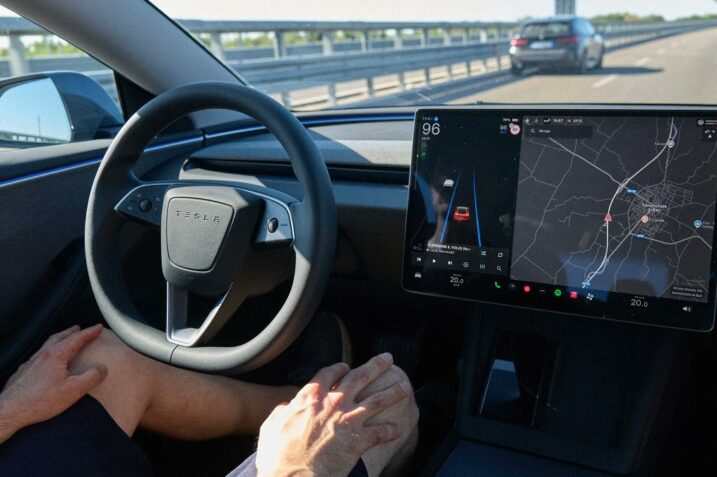
Elon Musk claims Tesla is close to allowing drivers to text behind the wheel once its Unsupervised Full Self-Driving mode arrives. The problem is that Tesla still operates at SAE Level 2, the regulatory path to Level 3 or 4 is unclear, and texting while driving remains illegal in most regions. The gap between Musk’s promises and what the law allows makes this claim far more complicated than it first sounds.
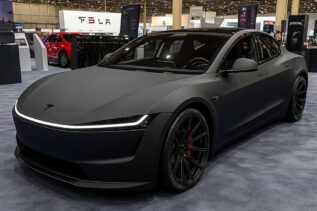
Tesla has launched new Standard versions of the Model 3 and Model Y in the US. The cars are cheaper but lose many of the premium features that defined their higher-end counterparts.
Porsche’s new Cayenne Electric is the first mass-produced car to come with wireless inductive charging at home. Here is a simple explanation of how this technology works and why it may change your future EV experience.
The demand for AI computing power continues to grow as HPE secures a $1 billion deal with Elon Musk's X for high-performance servers optimized for AI workloads.
UAE retail investors have seized the opportunity to buy into the artificial intelligence sector during price dips, while simultaneously increasing...